RacesReviewed / News
NYRR's NYC Half Race-Week Push Shows How Big-City Events Build Energy
A shorter news item inspired by NYRR race-week materials around the 2026 United Airlines NYC Half and the way major events create momentum before the gun goes off.
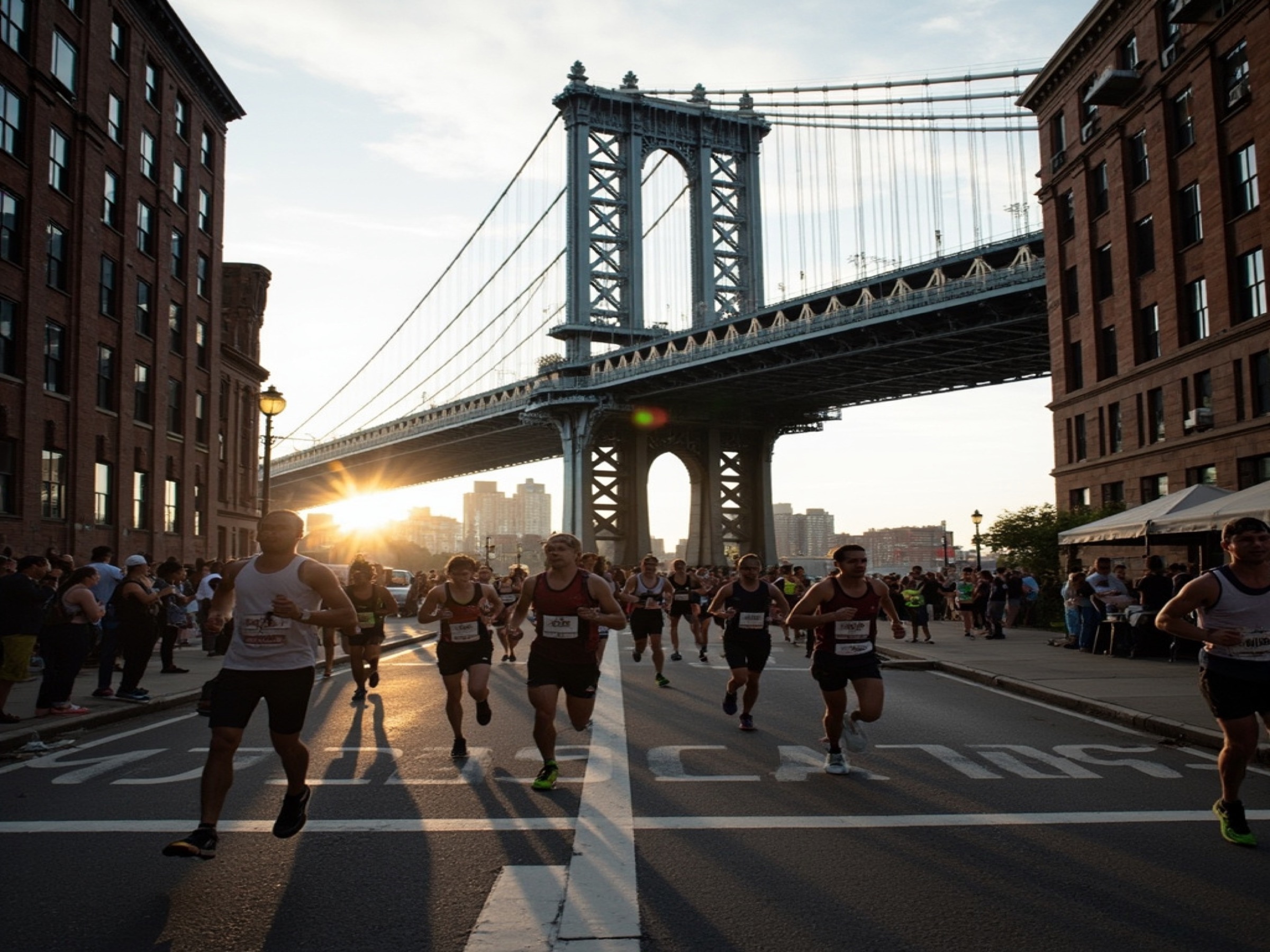
The race itself lasts one morning, but the best city events create a whole week of anticipation, logistics, and shared attention leading into it.
Race week is part of the event now
NYRR's race-week materials around the 2026 United Airlines NYC Half underline something the biggest city races understand well: anticipation is part of the event now. Podcast hits, route reminders, start-area updates, neighborhood imagery, athlete storytelling, and lifestyle framing all help the race feel present before runners even pin on a bib. The week becomes part logistics guide, part hype cycle, part emotional runway.
That matters because city races ask a lot of people. Travel, planning, corral timing, weather stress, and spectator choreography can make the days before a race feel as real as the race itself. Organizations that embrace that rhythm tend to feel more alive to participants because they are acknowledging what runners already know. A major city event is not one morning. It is an unfolding experience with tension, movement, and attention building well in advance.
The NYC Half is particularly well suited to this kind of framing because the city itself functions as part of the draw. The course, neighborhoods, bridges, skyline moments, and crowd texture all help runners imagine the experience before it happens. Race-week communication is not just practical in that environment. It is part of the atmosphere.
Why the best organizers talk to runners before the gun
The old model of event communication treated the days before a race as administrative housekeeping. Here is your packet information. Here is your start time. See you at the line. The strongest modern events do more than that. They recognize that participants are already emotionally in the race, and they meet them there. Good race-week communication lowers anxiety while building anticipation. It says: we know this already matters to you, so here is help and here is context.
That mix is powerful. Pure hype without logistics can make an event feel shallow. Pure logistics without personality can make it feel sterile. Big-city races succeed when they blend the two. A runner should know where to go, what to bring, and how to get there. They should also feel the city coming alive around the event. The combination is what turns a race into a weekend people remember.
In practical terms, that means race-week materials are often not fluff at all. They help with energy management. They help spectators plan. They reduce uncertainty. They create a sense of shared build-up that makes people more likely to forgive the inevitable friction of a crowded city event. Good atmosphere is not separate from good operations. It often makes the operations easier to absorb.
A useful race-week lesson
- Big races are better when organizers communicate like the week matters, not just the start time.
- Runners respond to practical logistics and atmosphere-building in equal measure.
- This is a template worth watching for any event trying to become a destination weekend.
Why other races should pay attention
The lesson here travels well beyond New York. Any event trying to become more than a local morning race can study how large organizations stage the week before the gun. Not every race needs a giant media machine, but every race can think more intentionally about when participant experience begins. For most runners, it does not begin at the start mat. It begins when they book the hotel, forward the confirmation email, text a friend, and start checking the weather.
That is why race-week energy matters. It tells runners they are entering something that has shape, care, and momentum. When done well, it can make a participant feel steadier and more excited at the same time. In a crowded event landscape, that feeling is not a luxury. It is part of what makes people come back.
The best version of hype is useful
Runners can usually tell the difference between empty promotion and useful momentum. Empty promotion asks for attention without giving much back. Useful hype makes the event easier to enter. It gives the weekend emotional texture while helping participants feel less lost. NYRR's race-week push is interesting because it leans toward that more useful version. It treats anticipation as something to organize rather than simply exploit.
That is a smart model for any event with destination ambitions. Participants do not only remember the race result. They remember how clear the week felt, how seen they felt, and whether the event helped them navigate the build-up with confidence. Race-week communication can influence all of that. In the best cases, it makes the whole event feel more human and more deliberate.
More coverage
Keep reading
Editorial
2026 Boston Weekend Preview: Stars, Storylines, and What Runners Should WatchThe pro fields matter, but so do the rhythms of Boston weekend: the 5K, the invitational mile, and the feeling that the whole city is warming up for Monday.
Open articleEditorial
Boston at 52: Amy Johnson's Long Road to HopkintonAmy Johnson from Worcester, MA qualified for Boston at 52. Her finish time of 4:15:00 was just the beginning of what turned out to be a much bigger weekend.
Open articleEditorial
Athens 2030 Will Host the World Marathon Championships, and That Feels RightSome championship announcements are administrative. This one lands differently because the city itself carries so much marathon symbolism.
Open article